TRANSFORMATIVE CARE FOR EMOTIONAL WELLNESS
Rebuild Your Life with DBT Therapy Edmonton
When emotions feel out of control or addictive behaviors keep pulling you back, you need more than generic advice. At Ascend Addiction NeuroRecovery, our DBT therapy Edmonton program offers specialized treatment that addresses the complex relationship between emotional dysregulation and substance use. We work with individuals ready to develop healthier coping strategies and build the skills needed for lasting recovery.
Our Edmonton DBT specialists provide personalized care that respects your individual journey while applying proven therapeutic techniques. Through one-on-one sessions and practical skills training, clients learn to manage intense emotions, navigate relationships more effectively, and create meaningful change. The team offers the expertise and support necessary for genuine transformation.
Understanding DBT Therapy in Edmonton
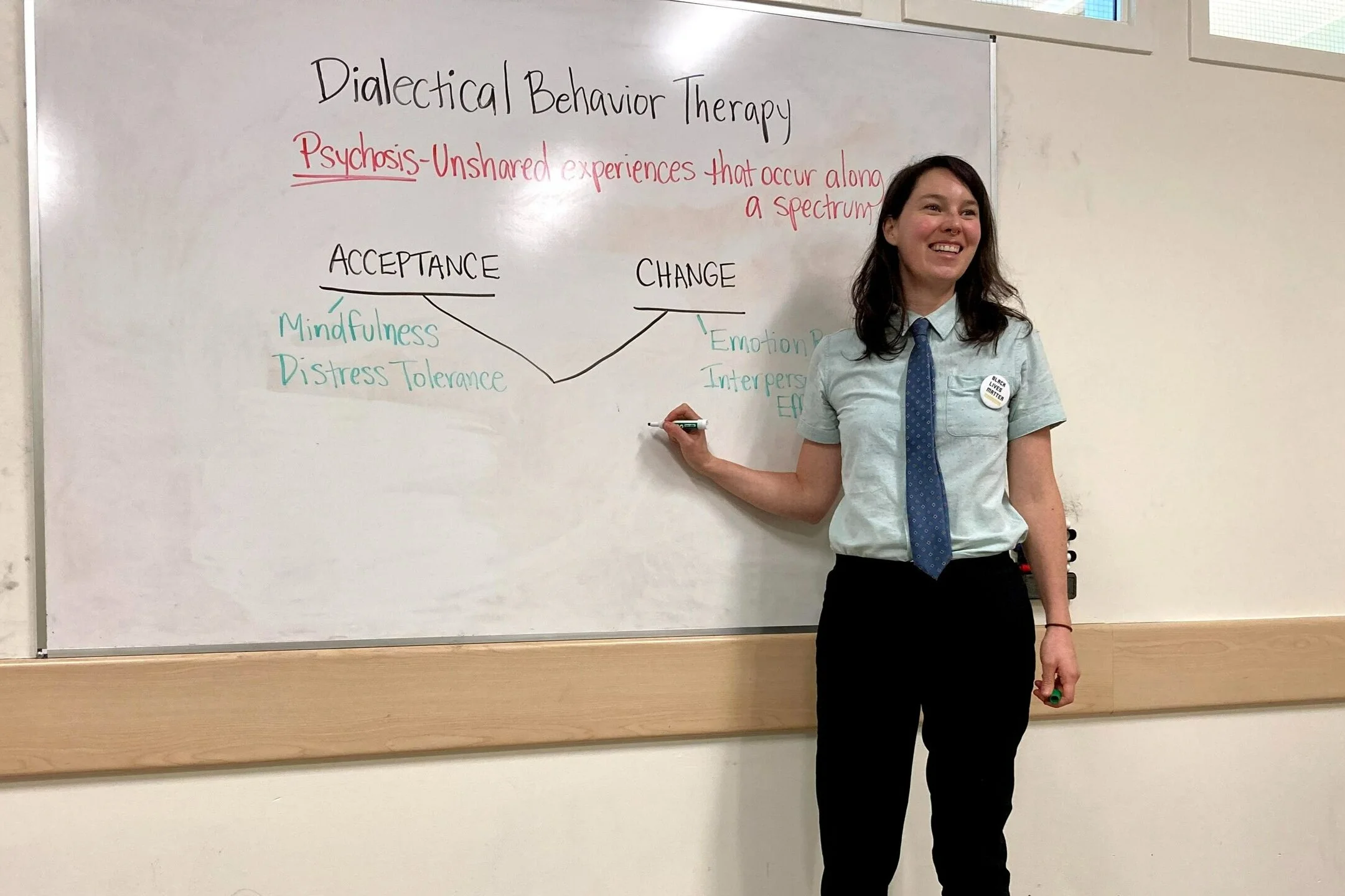
Dialectical Behavior Therapy provides a comprehensive framework for treating emotional and behavioral difficulties through skills-based learning and therapeutic support. Initially developed for complex mental health presentations, DBT has become a leading treatment for addiction because it addresses the emotional regulation deficits that drive substance use. The therapy teaches four core competencies: mindfulness for present awareness and non-judgmental observation, distress tolerance for managing crisis without harmful behaviors, emotion regulation for understanding and modifying emotional responses, and interpersonal effectiveness for building healthy connections.

What Is Cognitive-Behavioral Therapy?
Cognitive-behavioral therapy (CBT) is a scientifically proven therapeutic approach that helps individuals recognize and modify harmful thought patterns and behaviors. This therapy focuses on understanding the connection between thoughts, emotions, and behaviors, enabling individuals to develop healthier coping mechanisms. CBT is widely recognized as an effective treatment for addiction and co-occurring mental health conditions.
The DBT Therapy Edmonton Experience
Beginning DBT therapy at our Edmonton location means entering a collaborative treatment process focused on building real-world capabilities. Throughout treatment, you’ll engage with:
- Mindfulness Development – Learning to stay present with your experience, notice thoughts and feelings without being controlled by them, and respond intentionally.
- Crisis Management Skills – Techniques for tolerating emotional pain and difficult situations without resorting to substances or behaviors.
- Emotional Understanding and Control – Tools for recognizing what you’re feeling, identifying what triggered the emotion, and effectively shifting emotional states.
- Relationship Building Abilities – Communication strategies that help you advocate for yourself, respect others’ boundaries, and create connections based on care.
DBT Therapy Edmonton’s Role in Addiction Treatment
Most people develop substance use problems as a way to escape emotional pain or fill an internal void. DBT therapy in Edmonton treats addiction by addressing these underlying issues and building alternative coping mechanisms Treatment concentrates on:
- Establishing healthy coping strategies that provide genuine relief and don’t create new problems.
- Identifying specific emotional, environmental, and relational triggers that precede substance use.
- Implementing mindfulness practices that increase awareness and create choice rather than automatic relapse.
- Developing robust emotion regulation skills that eliminate the need for substances as emotional management tools.
The Advantages of DBT Therapy Edmonton
Participating in DBT therapy at Ascend Addiction NeuroRecovery’s Edmonton program delivers wide-ranging benefits that enhance overall wellbeing and recovery outcomes. Clients typically experience:
- Increased emotional stability and resilience.
- Effective coping mechanisms for life’s challenges.
- Better impulse management and conscious decision making.
- Improved relationship quality and communication skills.
- Enhanced self-esteem and personal empowerment.
- Reduced relapse risk and stronger recovery foundation.

Start DBT Therapy in Edmonton
Choosing the right therapeutic approach can determine whether recovery succeeds or becomes another frustrating attempt. Ascend Addiction NeuroRecovery’s Edmonton location offers expert DBT therapy from clinicians trained in both the treatment model and addiction recovery. By combining research-validated Dialectical Behavior Therapy methods we create treatment plans designed around your specific challenges and strengths.
Ready to learn more about how DBT therapy can help you achieve your recovery goals? We welcome your questions about our Edmonton programs and what treatment might involve for your situation. To schedule a consultation or get started, call +1 403-351-1100 or book your appointment online.
FAQs
Have Questions? We
Have Answers!
Browse through our frequently asked questions to find the answers you need
about our programs, enrollment, and training process
The dialectical framework teaches clients to synthesize opposing truths rather than getting stuck in either-or thinking. At Ascend Addiction NeuroRecovery, we help people understand they can accept themselves while also changing, or feel multiple emotions simultaneously. This cognitive flexibility is crucial for addiction recovery because black-and-white thinking often fuels relapse; people believe one slip means total failure. By embracing dialectical thinking, clients develop resilience and the ability to navigate complexity without the emotional overwhelm that previously drove substance use.
While DBT incorporates CBT techniques, it adds significant components that make it more effective for certain populations. DBT includes explicit validation and acceptance practices that CBT typically doesn’t emphasize, making it less confrontational for people sensitive to perceived criticism. DBT also provides more structured skills training and places greater emphasis on mindfulness and the therapeutic relationship. For people with emotion regulation difficulties or trauma histories, these additions make DBT more tolerable and efficacious than standard CBT approaches.
Yes, DBT has been adapted specifically for adolescents and shows strong outcomes for this age group. Young people often lack developed emotion regulation skills, making them particularly vulnerable to substance use as a coping mechanism. DBT provides the exact skills teens need: managing peer pressure, tolerating uncomfortable emotions, and communicating with parents and friends effectively. At Ascend Addiction NeuroRecovery, we modify DBT approaches to be developmentally appropriate while maintaining the core principles that make the therapy effective.
Difficulty practicing skills outside sessions is common and doesn’t mean treatment has failed. Your therapist will work with you to identify barriers preventing practice, whether that’s forgetting, feeling overwhelmed, or not fully understanding the skills. We break skills into smaller steps, problem-solve obstacles collaboratively, and adjust homework to match your current capacity. DBT emphasizes meeting clients where they are, so if standard practice feels impossible, we modify the approach rather than viewing you as non-compliant or resistant.
While DBT isn’t primarily a trauma-focused therapy, it provides essential stabilization for people with trauma histories. The skills taught in DBT help clients manage trauma symptoms like emotional flashbacks, dissociation, and hypervigilance without substances. Many clients complete DBT first to develop these regulation skills, then move to trauma-specific therapy when they have the capacity to process traumatic memories safely. For some individuals, DBT alone provides sufficient relief from trauma symptoms by changing their relationship to difficult emotions and memories.