Ascend Addiction NeuroRecovery
Neuroplasticity Therapy for Addiction Recovery
At Ascend Addiction NeuroRecovery, we provide virtual addiction therapy with neuroplasticity and DBT to support individuals working toward lasting recovery from substance use disorders. Our personalized approach combines neuroplasticity therapy for addiction recovery and brain rewiring therapy for addiction to help develop healthier patterns, strengthen coping skills, and support positive changes in the brain.
Looking for addiction treatment that fits your needs? Contact Ascend Addiction NeuroRecovery to learn more about our personalized therapy and recovery programs.

What Is Neuroplasticity Based Therapy?
Neuroplasticity-based therapy helps individuals develop healthier neural connections by using the brain’s natural ability to adapt and change. Brain rewiring therapy for addiction focuses on replacing unhealthy patterns with more effective coping strategies and behaviors. As part of neuroplasticity therapy for addiction recovery, this approach can support individuals in making positive changes while addressing addiction and co-occurring mental health concerns.

What Is Neuroplasticity Based Therapy?
Neuroplasticity Based Therapy is a scientifically proven therapeutic approach that helps individuals retrain their brain by forming new, healthier neural connections. By harnessing the brain’s ability to adapt and rewire itself, clients develop sustainable coping mechanisms to replace destructive behaviors. Neuroplasticity is widely regarded as an effective method for addiction recovery and co-occurring mental health conditions.
What to Expect from Neuroplasticity Based Therapy
At Ascend Addiction NeuroRecovery, our Neuroplasticity program is structured to promote brain adaptability, emotional regulation, and positive behavioral changes. Our sessions focus on:
- Cognitive Rewiring – Developing new neural pathways that support healthier thought patterns.
- Emotional Regulation– Implementing mindfulness, relaxation techniques, and coping strategies to manage stress and emotional distress.
- Behavioral Adaptation– Encouraging positive habits and fulfilling activities that replace destructive behaviors linked to substance use.
How Neuroplasticity Supports
Addiction Recovery
Neuroplasticity treatment for addiction recovery is a science-driven approach that helps individuals understand and reshape patterns in the brain associated with addiction. During therapy, our clinicians work closely with clients to:
- Strengthen new neural pathways that promote healthier behaviors.
- Identify and modify triggers that contribute to substance misuse.
- Develop adaptive coping mechanisms for high-risk situations.
- Reinforce long-term changes that support lasting sobriety.
Benefits of Neuroplasticity Based Therapy for Addiction Recovery
Engaging in Neuroplasticity Based Therapy at Ascend Addiction NeuroRecovery provides numerous benefits, including:
- Enhanced brain resilience and adaptability.
- A stronger sense of self-control and personal empowerment.
- Effective coping mechanisms for managing emotions and stress.
- Improved decision-making and problem-solving skills.
- Reduced cravings and relapse risk through neurological reinforcement.
- A transformed mindset for sustained sobriety and well-being.
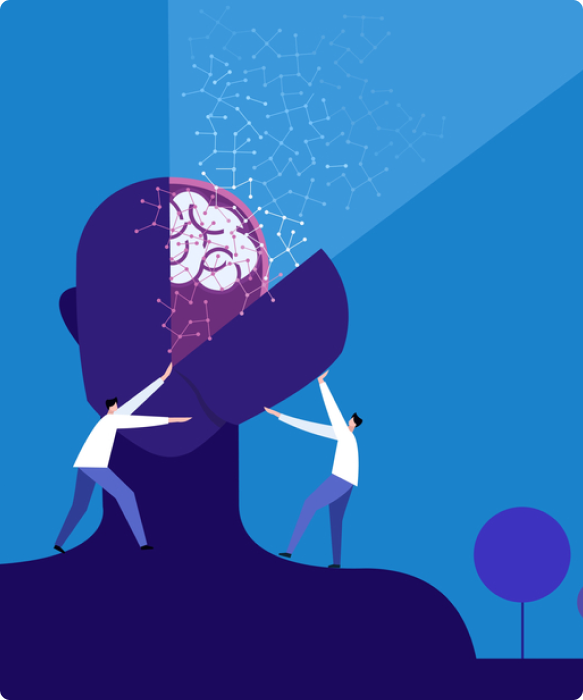
Neuroplasticity Therapy for Addiction Recovery at Ascend Addiction NeuroRecovery
At Ascend Addiction NeuroRecovery, we provide compassionate, individualized care through a neuroplasticity based addiction treatment approach. Our neuroplasticity therapy for addiction recovery combines science-driven methods with holistic practices to help clients develop healthier patterns and work toward lasting recovery.
If you or someone you care about is looking for a personalized, evidence-based path to recovery, our team is here to help. Call us at +1 403-351-1100 or contact us online to learn more about our neuroplasticity-based approach and addiction recovery programs.
FAQs
Have Questions? We
Have Answers!
Browse through our frequently asked questions to find the answers you need
about our programs, enrollment, and training process
At Ascend Addiction NeuroRecovery, we leverage the science of neuroplasticity to help the brain unlearn deeply ingrained addictive patterns. Through targeted therapies—ranging from cognitive exercises and mindfulness practices to brain-based interventions—we stimulate the brain’s ability to create new neural pathways. Instead of fighting cravings through willpower alone, clients are guided to rewire thought patterns and responses at the neurological level. This approach shifts recovery from struggle to transformation, giving individuals tools to rebuild balance, focus, and lasting resilience.
Yes. Cravings and habits are reinforced by neural circuits that become stronger the more they’re repeated. Neuroplasticity offers a scientific pathway to weaken those circuits and replace them with healthier ones. At Ascend Addiction NeuroRecovery, clients learn strategies that reduce the brain’s automatic “reward” response to addictive triggers, while reinforcing positive behaviors and coping mechanisms. Over time, these changes shift from conscious effort to automatic response, making recovery sustainable. In essence, neuroplasticity helps individuals break free not just behaviorally, but neurologically.
The timeline varies depending on individual history, but neuroplastic changes can begin surprisingly quickly. Research shows the brain is responsive within weeks when new patterns are consistently practiced. At Ascend Addiction NeuroRecovery, our structured program accelerates this process by combining therapies that directly engage the brain’s capacity to adapt. While deeper rewiring can take months, many clients notice improvements in focus, reduced cravings, and stronger emotional regulation early on. What matters most is consistency — the more you reinforce healthy pathways, the more lasting the changes become.
Absolutely. Relapse often occurs when old neural pathways overpower newly formed ones. Neuroplasticity offers a safeguard: the more you practice healthier responses, the stronger those new circuits become, making relapse less likely. At Ascend Addiction NeuroRecovery, we focus on reinforcing these adaptive patterns through repetition, supportive environments, and personalized strategies. This way, clients don’t just avoid triggers temporarily; they build resilience at the brain level. Over time, healthier pathways dominate, providing a stable foundation for long-term recovery and relapse prevention.
Emotional memories, especially those tied to trauma, are stored in brain circuits that can unconsciously trigger addictive behaviors. Neuroplasticity provides a way to “recode” these responses. At Ascend Addiction NeuroRecovery, therapies are designed to engage both cognitive and emotional networks, helping clients process trauma while building healthier associations. By repeatedly pairing new coping strategies with old triggers, the brain learns alternative responses. This doesn’t erase the past — it reshapes how it is carried, reducing the emotional grip of trauma and empowering recovery.