PERSONALIZED CARE FOR EMOTIONAL WELLNESS
Transform Your Life with DBT Therapy Kelowna
When emotional overwhelm or addictive patterns start controlling your life, finding the proper support makes all the difference. At Ascend Addiction NeuroRecovery, our DBT therapy Kelowna program offers evidence-based treatment that addresses the root causes of emotional dysregulation and self-destructive behavior.
Our Kelowna DBT specialists understand that everyone’s path to recovery looks different. Through one-on-one therapy and practical skills training, we help clients develop emotional regulation, improve relationships, and create lives worth living. Whether you’re dealing with addiction, depression, anxiety, or trauma, our team provides personalized treatment that meets you where you are.
The Foundation of DBT Therapy in Kelowna
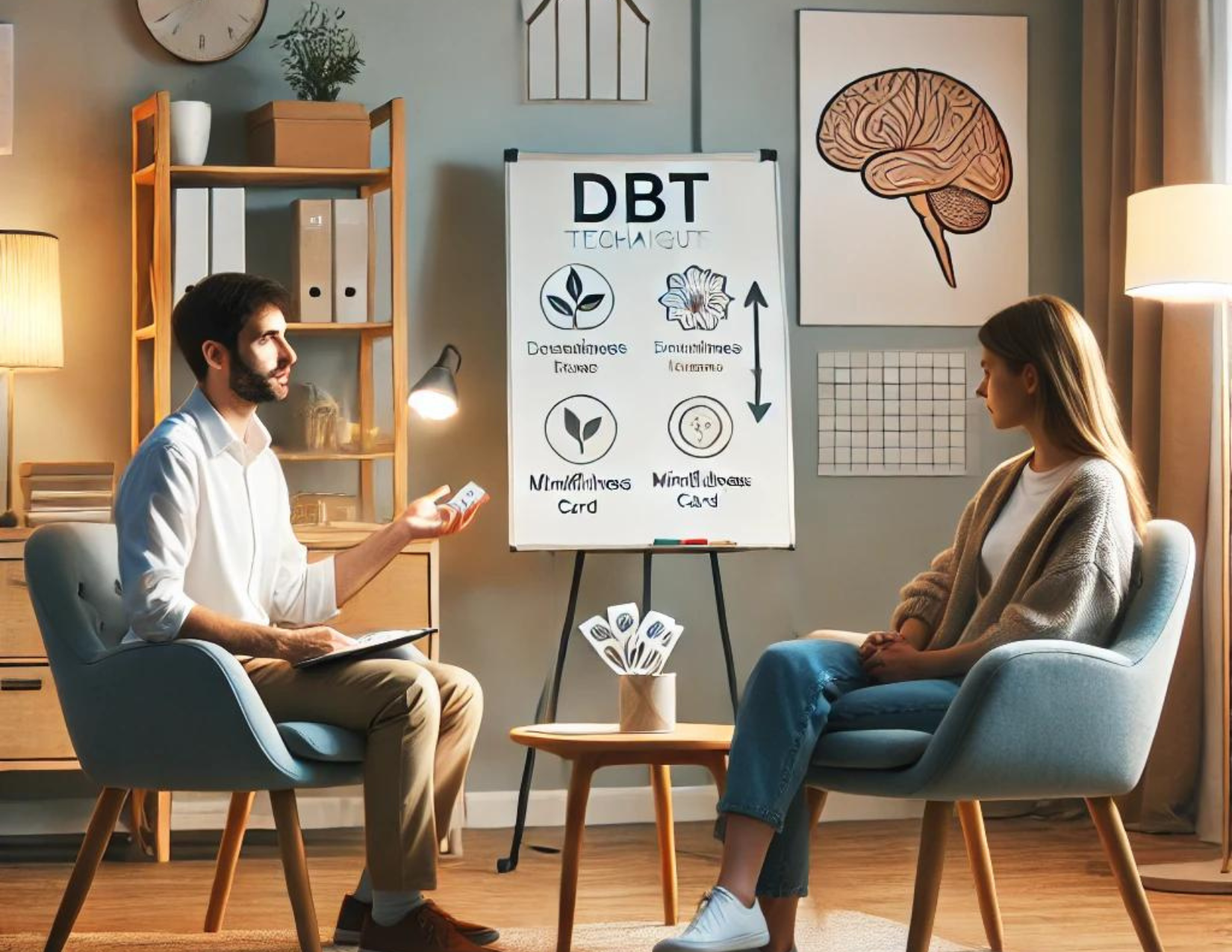
Dialectical Behavior Therapy offers a structured yet flexible approach to treating conditions marked by emotional intensity and behavioral struggles. Originally created for borderline personality disorder, DBT has proven highly effective for addiction recovery by teaching skills in four key areas: mindfulness for staying present, distress tolerance for managing crisis moments, emotion regulation for understanding and shifting feelings, and interpersonal effectiveness for building healthy relationships. Our Kelowna DBT program applies these research-backed methods through personalized treatment plans that respect your unique circumstances, challenges, and strengths.

What Is Cognitive-Behavioral Therapy?
Cognitive-behavioral therapy (CBT) is a scientifically proven therapeutic approach that helps individuals recognize and modify harmful thought patterns and behaviors. This therapy focuses on understanding the connection between thoughts, emotions, and behaviors, enabling individuals to develop healthier coping mechanisms. CBT is widely recognized as an effective treatment for addiction and co-occurring mental health conditions.
Your Journey with DBT Therapy in Kelowna
Starting DBT therapy at our Kelowna location means engaging in a collaborative process focused on building skills that last. Our therapists create a supportive environment and during your treatment, you’ll experience:
- Mindfulness Practice – Techniques for observing your internal experience without getting swept away, helping you respond thoughtfully.
- Distress Tolerance Methods – Strategies for surviving crisis moments and intense emotions without making situations worse through harmful actions.
- Emotion Regulation Tools – Ways to identify what you’re feeling, understand what caused it, and change emotional states that lead to problematic behaviors.
- Interpersonal Skills Development – Communication approaches that help you ask for what you need and build relationships that support.
DBT Therapy Kelowna’s Impact on Addiction Treatment
Addiction rarely exists in isolation from emotional pain, trauma, or difficulties. DBT therapy in Kelowna addresses addiction by treating the underlying emotional dysregulation that drives substance use. Treatment focuses on:
- Building alternative coping strategies that provide relief without the consequences of substance use.
- Identifying and managing emotional triggers that historically led to drinking or drug use.
- Implementing mindfulness techniques that create space between urges and actions.
- Strengthening emotion regulation capacities that address the root causes of addictive behavior.
Advantages of DBT Therapy Kelowna for Lasting Change
Choosing DBT therapy at Ascend Addiction NeuroRecovery’s Kelowna program provides multiple benefits that enhance quality of life. Clients commonly experience:
- Improved ability to manage emotions without feeling controlled by them.
- Effective coping skills that work in real-world situations.
- Enhanced self-control and reduced impulsive decision making.
- Healthier relationship patterns and communication abilities.
- Stronger sense of identity and self-acceptance.
- Decreased likelihood of returning to substance use after treatment.

Begin DBT Therapy in Kelowna Today
Deciding to seek help represents an important step toward the life you want. Ascend Addiction NeuroRecovery’s Kelowna location offers specialized DBT therapy delivered by trained professionals who understand addiction and mental health recovery. With a focus on personalized care, evidence-based methods, and genuine support, our team develops treatment plans tailored to your specific situation and goals.
Ready to explore how DBT therapy can support your recovery? We’re here to answer your questions about our Kelowna programs and help you understand what treatment might look like for you. To schedule a consultation or learn more about our services, call +1 403-351-1100 or book an appointment online.
FAQs
Have Questions? We
Have Answers!
Browse through our frequently asked questions to find the answers you need
about our programs, enrollment, and training process
Dialectical thinking helps clients move beyond all-or-nothing perspectives that often trap people in addiction. At Ascend Addiction NeuroRecovery, we teach clients to hold seemingly opposite truths simultaneously, such as accepting themselves while also working to change. This cognitive shift reduces the internal conflict that fuels emotional dysregulation and substance use. By developing this balanced perspective, clients can validate their pain while building healthier responses, creating the psychological flexibility essential for recovery.
DBT was specifically designed to treat complex presentations where multiple issues intersect. The skills taught in therapy apply across various mental health conditions, making it effective for people dealing with addiction alongside depression, anxiety, trauma, or personality disorders. Rather than treating each condition separately, DBT addresses the underlying emotional regulation difficulties that contribute to multiple symptoms. This integrated approach often proves more effective than treating addiction and mental health issues in isolation.
We understand that seeking treatment shouldn’t mean putting your entire life on hold. Our Kelowna program offers various scheduling options for individual therapy sessions, and we work with clients to find times that fit their work, family, and other commitments. While consistency is important for skill development, we design treatment plans that accommodate real-life responsibilities, making recovery accessible rather than adding another source of stress.
Effective DBT requires specialized training beyond general therapy credentials. Look for therapists who have completed intensive DBT training programs and ideally participate in ongoing consultation teams to maintain treatment fidelity. At Ascend Addiction NeuroRecovery, our Kelowna clinicians combine formal DBT certification with experience treating addiction and co-occurring disorders. This combination of specialized training and practical experience ensures you receive therapy that adheres to the DBT model while addressing the specific challenges of addiction recovery.
Family involvement can significantly enhance recovery outcomes. While individual DBT therapy remains confidential and private, we offer family sessions and psychoeducation opportunities where appropriate. These sessions help loved ones understand the skills you’re learning and how they can support your recovery without enabling problematic behaviors. Teaching family members DBT principles creates a home environment that reinforces rather than undermines the work you’re doing in therapy.