

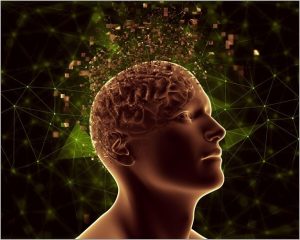
Principles of Neuroplasticity
Introduction
If you’ve ever tried to master a new skill—like playing guitar, managing stress better, learning a new language, or breaking an old habit—you may have experienced the familiar frustration: “Why isn’t this getting easier?” However, after a few days or weeks, something extraordinary occurs. Your fingers eventually locate the strings without thinking. Your tongue wraps around the new words. Your reactions alter. Your habits shift.
Neuroplasticity is that invisible change that quietly reshapes your brain in the background. For decades, we believed that the brain remained fixed and rigid after childhood. Today, we understand that your brain is continually reconstructing itself based on what you do, repeat, and care about. It can enhance new habits, weaken old ones, increase resilience, improve memory, and aid in healing—even later in life.
Think of your brain as a garden rather than a machine. Whatever you water grows. Everything you overlook wilts. The surprise part? You are the gardener every day.
In this blog, we’ll go over the ten fundamental principles of neuroplasticity. You’ll understand what they imply, how they influence your behavior, and also how to use them to make lasting changes.
Think of Your Brain Like a Path in the Forest: Visualizing the Principles of Neuroplasticity
Before delving into the principles, envision yourself traveling through a forest. When you first walk on an area that hasn’t been walked on before, the trail isn’t really a path; it’s just dirt, twigs, and untamed roots. But do it again. And again. And again. The trail gets clearer, smoother, and seamless over time.
That’s how brain pathways are made: The road is built by doing it over and over. Neglect causes it to fade away.
Ready? Then, let’s go over the ten principles that guide every path your brain makes.
1. Use It or Lose It
When you stop activating neural pathways, they get weaker. Think back to the last time you tried to speak a language you hadn’t used in years. The words were there, but they were hidden.
Apply Today: Spend just two minutes a day honing any talent you want to keep. Two minutes of French. Two minutes of practice typing. Two minutes of gratitude. Tiny repetitions prevent pathways from weakening.
2. Use and Improve It
The more you practice, the better you get. Writing gets smoother. Memory gets better. It’s easy to control your feelings. “Use it or lose it” is about stopping things from decaying, while “Use it and improve it” is about getting better at what you do.
Apply Today: Pick one area to work on and stick to brief, regular practice. Consistency is always better than intensity.
3. Specificity Counts
Not only does your brain change when you practice, but it also changes based on what you practice. Practicing the piano makes you better at playing the piano, not math. Similarly, studying vocabulary makes vocabulary better, not grammar.
Apply Today: Train the particular skill you wish to get better at. Want to feel sure? Be brave in small actions every day. Want to remember better? Practice remembering, not reading again.
4. Repetition Is Necessary
To make strong connections, neurons need to be activated several times.
This is why athletes do the same drill over and over again. That’s why kids speak the same term 40 times a day. Repetition tells the brain, “This is important.” Hold on to it.
Apply Today: Pick one simple thing to do every day at the same time. This tells your brain to do it automatically.
5. Intensity Matters
Your brain reacts more quickly when you practice with focus and effort. A 20-minute bout of focused concentration is better at rewiring your brain than an hour of work with distractions.
Apply Today: Try a “No Distraction Zone.” Even five minutes of full-focus learning can change your brain more than you believe.
6. Time is of the Essence
Neuroplasticity happens in stages. The brains of younger people change faster, but adults can experience deeper, more profound rewiring over time. Adults can learn, but they need to be patient and consistent when they do.
Apply Today: Celebrate small steps toward your goal. The brain honors every step, even if it takes a long time.
7. Salience (Meaningfulness) Makes Learning Easier
When something is essential or emotional, the brain rewires itself far more quickly. Think of how quickly you learnt to cook when you first moved out, or how quickly parents learn how to care for babies.
Apply Today: Make your learning meaningful to you.
Instead of saying, “I need to work out,” say, “I move because I want to be with the people I love for a long time.”
8. Age Influences Neuroplasticity, But Never Stops It
Yes, kids learn quickly. But adults learn in a more purposeful, deep, and emotionally aware way.
Grandparents learning to use smartphones, adults starting professions at the age of 40, and individuals regaining abilities following an injury are all examples of lifelong neuroplasticity in action.
Apply Today: Give yourself time. The older you get, the more you need to learn on purpose. But the change might also last longer.
9. Transference Happens
Skills in one area can affect skills in another.
- Meditation helps you stay focused.
- Exercise helps you remember things.
- Listening to music makes you better at listening.
- Your brain loves making connections between different skills.
Apply Today: Create “foundational habits” such as mindfulness, movement, or sleep. They make everything else you do more effective.
10. Interference Can Interrupt Learning
Old habits and new ones often clash.
Have you ever been confused when shifting from Windows to Mac? Or maybe switching from auto to manual driving?
That’s interference—your old method trying to stay important.
Apply Today: When you learn something new, cut back on other habits. If you’re trying to eat better, get rid of things in your environment that make you want to eat unhealthy foods.
Where You Can Already See Neuroplasticity in Action
Lastly, you don’t even know that you use neuroplasticity every day:
- Learning how to make a new dish
- Purchasing a new phone or app
- Recovery after emotional problems
- Getting rid of a habit
- Enhancing your communication skills
- Training for a sport
- Gaining confidence
Thus, every little change is like rewiring your brain behind the scenes.
In Conclusion
Your brain is continually expanding, moving, and changing itself—whether you realize it or not. Every time you try again, repeat a little habit, or choose something worthwhile, you create new pathways that take you to the person you want to be.
The idea of neuroplasticity is straightforward: you’re never trapped. You’re only one successive step away from a different path.
Ready to rewrite your story?
If you or someone you care about is battling addiction, you do not have to fight it alone. Ascend Addiction NeuroRecovery provides compassionate, science-backed Neuroplasticity-Based Therapy to help you break old patterns and create new, healthy ones.
Our professionals use these principles of neuroplasticity to develop personalised therapy choices that promote long-term rehabilitation while modifying your brain. So, contact us today for a meaningful difference.